Whole Foods in Breakfast and Snacks
February 2026
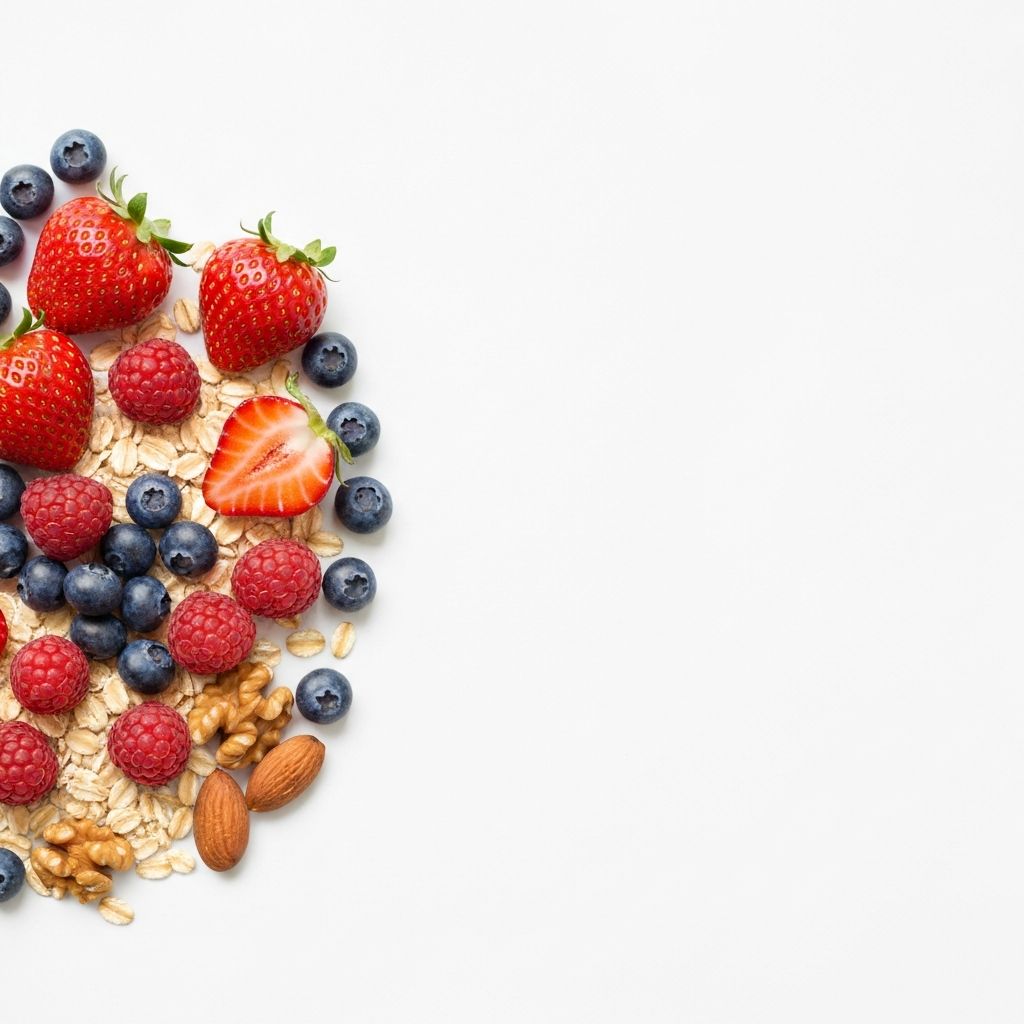
Understanding Whole Food Breakfasts
Breakfast meals incorporating whole foods typically include ingredients that remain close to their natural state. These might consist of fresh fruits, whole grain oats, nuts, seeds, and minimally processed dairy products.
Whole grain cereals, rolled oats, and natural muesli represent common breakfast options that retain much of their original nutritional structure. Fresh berries, sliced bananas, and chopped apples add natural sweetness and additional fiber.
Examples of Whole Food Breakfast Components
Common whole food breakfast items include steel-cut oats, whole grain bread, fresh fruit, plain yogurt, eggs, nuts, and seeds. These ingredients generally undergo minimal processing between harvest and consumption.
A typical whole food breakfast might combine rolled oats with fresh berries and chopped walnuts, or whole grain toast with avocado and eggs. These combinations provide naturally occurring nutrients without significant ingredient additions.
Whole Food Snack Options
Snacks featuring whole foods often include fresh fruits like apples, oranges, and bananas, or raw vegetables such as carrots, celery, and bell peppers. Nuts and seeds in their natural form also fall into this category.
Other examples include fresh dates, plain air-popped popcorn without added ingredients, and simple combinations like apple slices with natural nut butter. These options provide sustenance between meals using minimally altered ingredients.
Morning Snack Examples
Mid-morning snacks might consist of a handful of raw almonds, a fresh orange, or vegetable sticks with hummus. These provide natural energy from whole ingredients without complex preparation.
Afternoon Snack Examples
Afternoon options could include fresh berries, a small portion of mixed nuts, or whole grain crackers with avocado. The emphasis remains on ingredients close to their natural state.
Preparation Methods for Whole Foods
Whole food breakfasts and snacks typically require basic preparation methods like washing, chopping, and simple cooking. Oats might be cooked with water or milk, fruits are washed and sliced, and nuts are simply measured out.
These preparation methods preserve the natural nutritional profile of ingredients without significant alteration. The simplicity of preparation often makes whole food options accessible for daily use.
Nutritional Characteristics
Whole food breakfasts and snacks generally provide fiber, vitamins, minerals, and naturally occurring fats and proteins. The nutritional content varies based on specific ingredients chosen.
Fiber content tends to be higher in whole grain options compared to refined alternatives. Natural fruits provide vitamins and phytonutrients in their original proportions without concentration or supplementation.
Variability in Whole Food Choices
The specific whole foods people choose for breakfast and snacks vary based on cultural background, seasonal availability, personal preferences, and access to different food types.
What constitutes a typical whole food breakfast in one region may differ significantly from another. This diversity reflects the broad range of whole food options available globally.
Educational Context
This article provides educational information about whole food options for breakfast and snacks. It does not constitute dietary advice or personalized nutrition recommendations.
Individual nutritional needs and appropriate food choices vary based on numerous personal factors. This information is descriptive rather than prescriptive.
Consult qualified professionals for guidance specific to your circumstances.